SPONSORED ADVERTISING CONTENT
Rankings on this page reflect our opinions and our commercial relationships. Products featured may be from companies in which we have an ownership interest or from which we receive compensation, and that compensation influences which products appear and the order in which they are ranked.
We consider factors including formulation and ingredient transparency, dosage relative to commonly cited ranges, quality of sourcing and manufacturing information disclosed by the brand, price per serving, and overall value. We weight these factors according to our own judgment, and that weighting is not fixed across categories or over time.
We do not conduct independent laboratory testing, and we do not review every product available in each category. Information about products we do not represent comes from publicly available sources, including product labels and manufacturer materials, and was accurate as of publication.
Rankings are not static and may change over time. Location, device type, operating system, time of visit, day of the week, and cookie data may also affect what you see.
Product names and trademarks belong to their respective owners and are used for identification only. Prices and formulations change; verify with the manufacturer before purchasing. See How We Rank for details on compensation and ranking.
Testimonials reflect individual experiences and are not a guarantee of similar results. Content on this site is informational only and is not medical advice. Consult your physician before using any supplement, especially if pregnant, nursing, taking medication, or managing a medical condition.
These statements have not been evaluated by the Food and Drug Administration. These products are not intended to diagnose, treat, cure, or prevent any disease.
Top 5 Best Red Beetroot Supplements in 2026: Tried, Tested, and Ranked
Beetroot supplements are everywhere right now. Figuring out which ones are actually worth buying is the harder question.
IMPORTANT: If you're looking for an easier way to get beetroot into your daily routine, you're in the right place. I've uncovered the top 5 beetroot supplements people are turning to right now, and the common pitfalls that leave many formulas falling short.
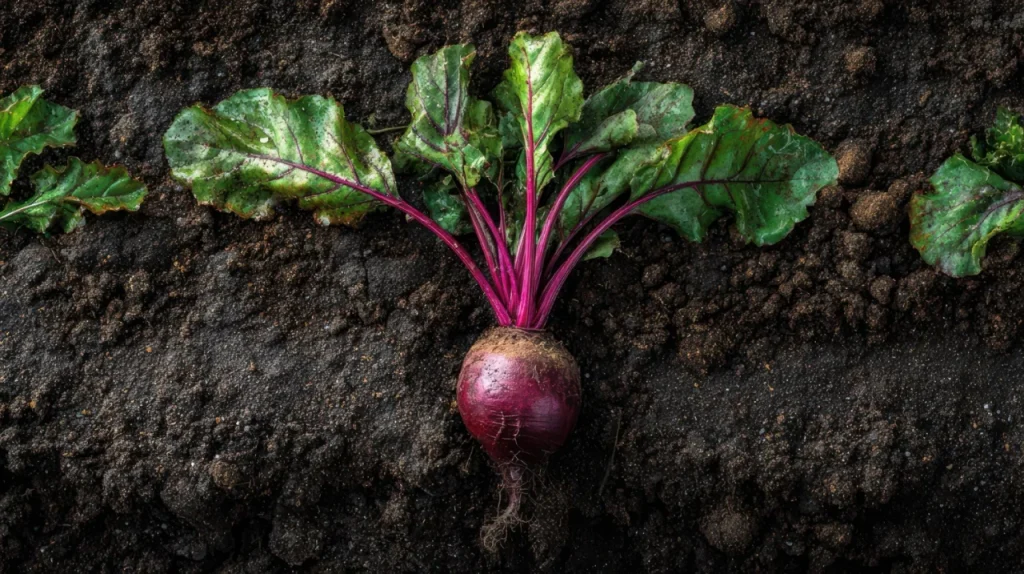
Why So Many People Look For A Beetroot Supplement
Beetroot went from a side dish nobody asked for to one of the most searched ingredients in the supplement aisle. It's now one of the most studied vegetables on the shelf.
Actually eating it every day is the hard part.
Roasting beets takes an hour. Raw beets stain everything they touch. Beet juice is expensive, it spoils fast, and plenty of people just don't like the taste. So the beets sit in the drawer until they don't.
And for many people, that leads to one simple question:
Is there an easier way to get beetroot in every day without turning life upside down?
The Simple Solution More People Are Starting To Use
That's where beetroot supplements come in.
These supplements are designed to give you concentrated beetroot in an easy daily format, without the prep, the mess, or the taste most people would rather skip.
For people who want something practical, not another strict diet or unrealistic routine, they can be a smart solution.
What A Beetroot Supplement Actually Does
A beetroot supplement is meant to give your body added plant-based support, usually through a powder or capsule made from concentrated beetroot and other antioxidant-rich ingredients.
The goal is simple:
- help support everyday wellness
- make consistency easier
- give you a more convenient way to stay on track
But of course, not every formula delivers the same kind of value.
What Makes One Supplement Better Than Another?
This is where the best options start to separate themselves.
Beetroot on its own only covers one angle. The strongest formulas use it as a foundation and build from there. In general, the ones worth your money tend to have:
- beetroot paired with other polyphenol-rich reds
- third-party testing at an ISO-certified lab, with results you can actually see
- no added sugar and no artificial sweeteners
- prebiotics and probiotics included, so you're not buying a second product
- a format simple enough that you'll actually stick with it
In other words, the better formulas give you a wider range of support in one daily product.
What To Look For In A Good Beetroot Supplement
✅ Beetroot paired with other polyphenol-rich reds
✅ Every ingredient on the label with an amount next to it
✅ Blends that tell you what's actually inside them
✅ A short, clean "other ingredients" list
✅ Third-party tested at an ISO-certified lab
✅ No added sugar and no artificial sweeteners
✅ Prebiotics and probiotics included
✅ Daily convenience and easy consistency
What To Avoid When Comparing Products
❌ Beetroot on its own with nothing else behind it
❌ Blends with a name but no amount and no ingredient list
❌ Long "other ingredients" lists packed with fillers, flow agents, and dyes
❌ Added sugar or artificial sweeteners doing the heavy lifting on taste
❌ No third-party testing, or testing they won't show you
❌ Products that sound impressive but feel basic up close
❌ Options that seem more focused on hype than formulation
Top 5 Beetroot Supplements of 2026: Ranked
1. Daily Reds Energy Blend
by Earth Energy Supplements
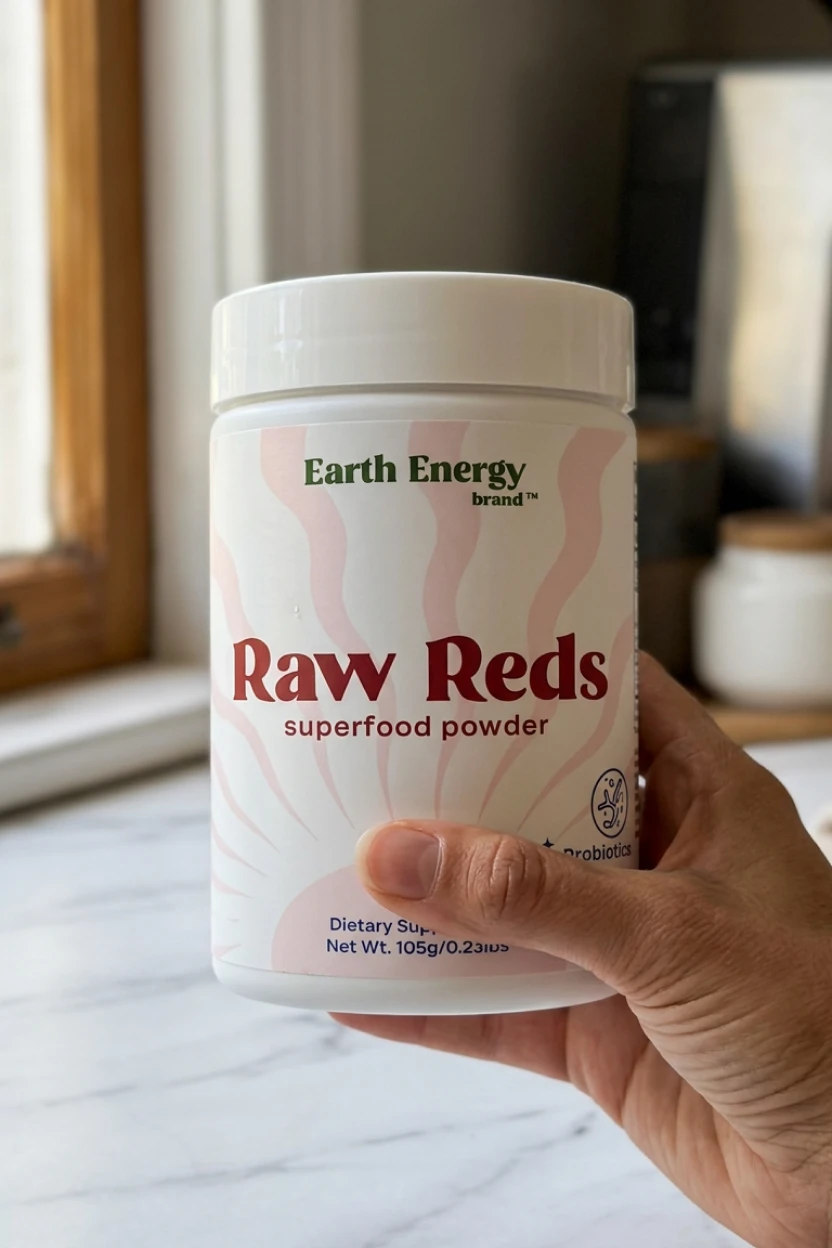
Pros
- 975 mg beetroot, solid dose
- Every ingredient has its amount on the label
- Hibiscus, strawberry, grape seed and blueberry alongside the beet
- 20+ polyphenol-rich plants
- Prebiotic inulin plus 1.2 billion CFU probiotics
- Cinnamon, turmeric, ginger and black pepper, all with amounts
- Only one "other ingredient": organic stevia leaf
- No added sugar or artificial sweeteners
- Third-party tested every batch, COAs published
- Screened for heavy metals and pesticides
- Made in the USA, cGMP facility
- One scoop a day, no prep
Cons
- Only available online
- Sometimes out of stock due to high demand
Bottom Line
This is the only formula on the list where you can read the label top to bottom and know exactly how much of everything you are getting. Beetroot leads at 975 mg, followed by hibiscus at 600 mg, strawberry at 400 mg and a 300 mg berry complex built from jabuticaba, pomegranate, goji, açaí, cranberry, mangosteen, acerola and maqui. Even the two blends, which is where most brands stop telling you anything, come with a total and a full ingredient list. Cinnamon, grape seed, blueberry, turmeric, green tea, ginger, shilajit and black pepper each carry their own number.
Prebiotic inulin and a 1.2 billion CFU probiotic blend are built in, so digestion is not a second product you have to buy. The "other ingredients" line is a single item, organic stevia leaf, which is close to unheard of here. Every batch is third-party tested at an ISO-certified lab and the results are published. One scoop, cold water, done.
2. Organic Superfood Reds
by Feel Great Vitamin Co.
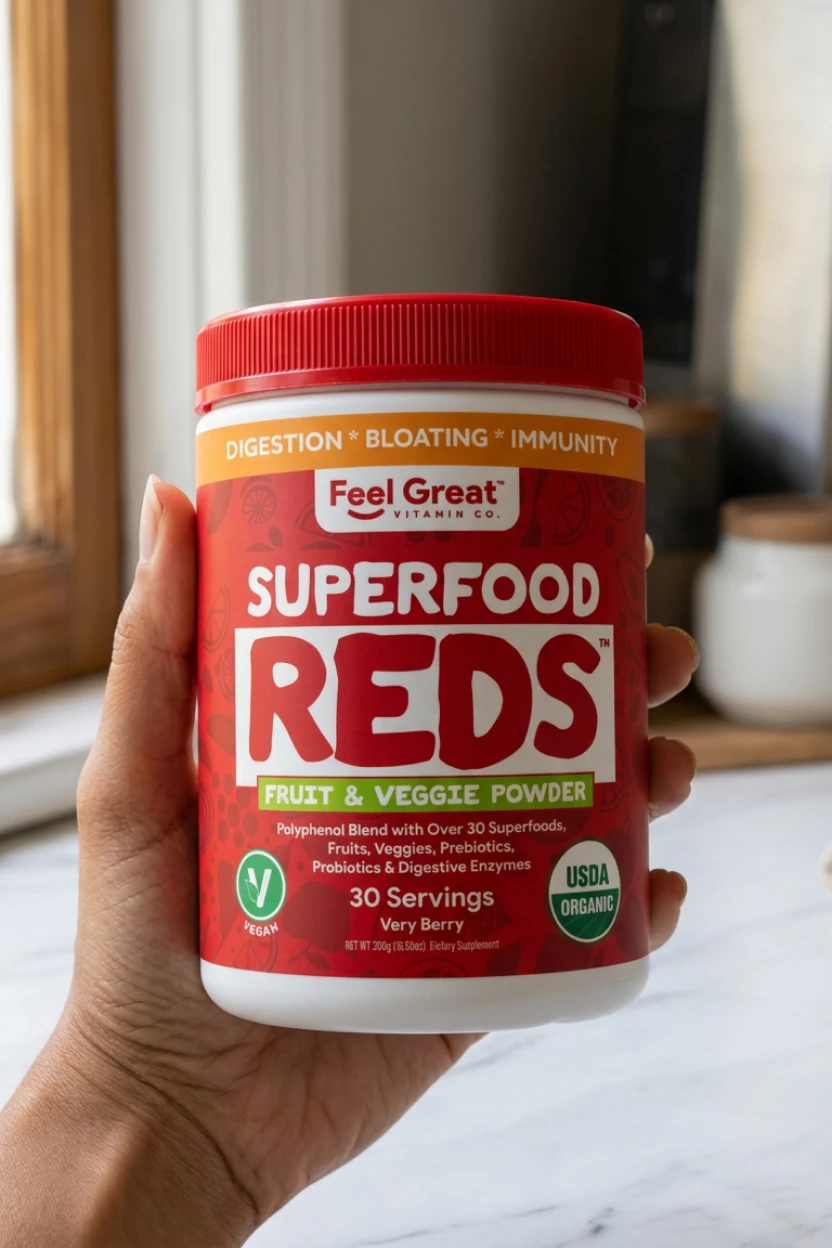
Pros
- Beetroot powder and beetroot juice powder
- 30+ fruits and vegetables per scoop
- Probiotic and enzyme blends included
- Prebiotic organic agave inulin
- cGMP facility, COA every batch
Cons
- No individual amounts disclosed
- Probiotic CFU count not published
- As much green as red
- Contains oat bran
- Only available online
Bottom Line
The roster is genuinely wide: apple, pomegranate, acai, grape, carrot, matcha, camu camu, turmeric, cranberry and a spread of berries, plus spinach, broccoli and tomato on the green side. Beetroot shows up twice, as powder and as juice powder. Digestion is covered by agave inulin, a probiotic and an enzyme blend.
The gap is the one that matters most here: you can see the ingredient list, but not the amounts, so there is no way to know whether the beetroot is doing real work or riding along in trace quantities. The CFU count is not published either, and with ashwagandha, milk thistle and a heavy green presence, it drifts from "reds" toward a general daily greens product.
3. Organic Beet Root Capsules
by Rosabella
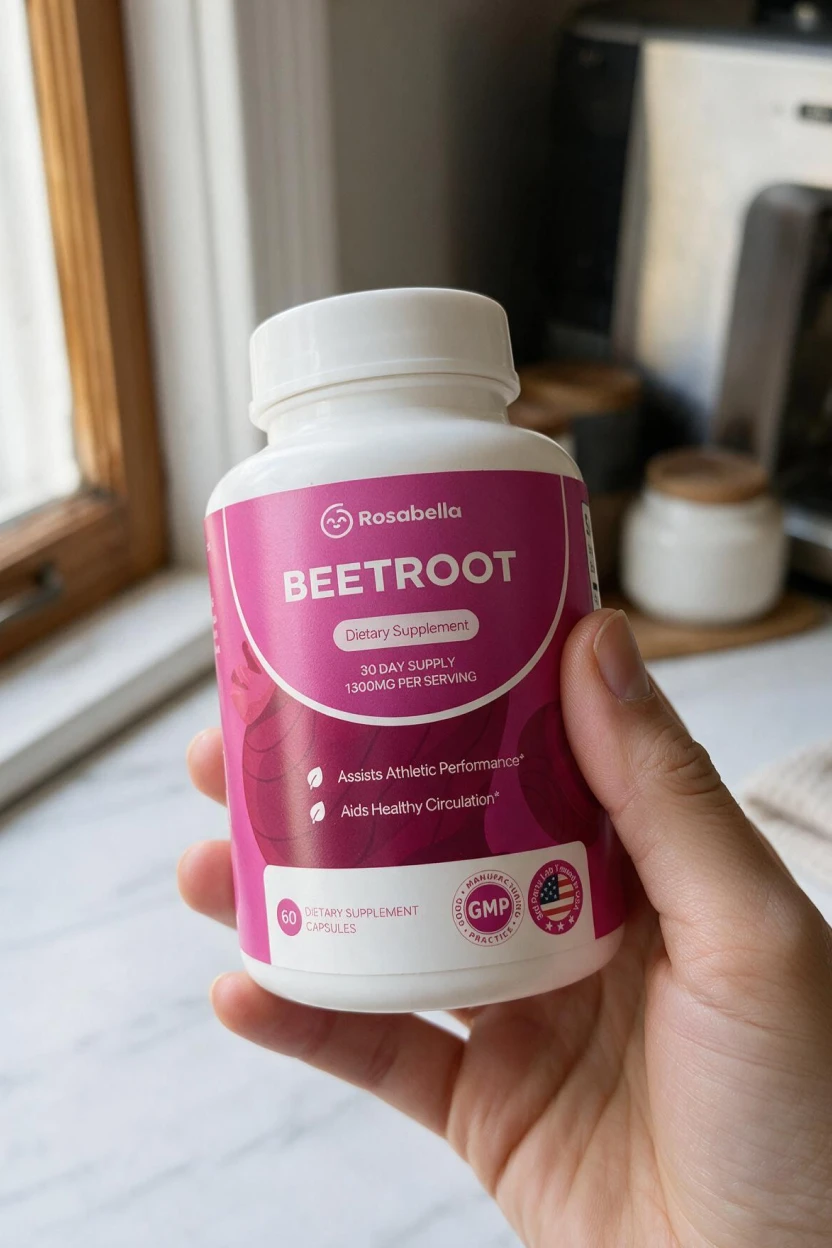
Pros
- 1300 mg organic beet root per serving
- Single ingredient, nothing else added
- Amount fully disclosed, no blend
- Non-GMO, gluten, dairy and soy free
- Two capsules a day, no taste
Cons
- Beetroot only, nothing behind it
- No prebiotic or probiotic
- No botanicals or berry variety
- Newer listing, short track record
- Only available online
Bottom Line
If all you want is beetroot and nothing else, this does that job honestly. Two capsules give you 1300 mg of organic beet root powder, the number is stated plainly, and there is no proprietary blend obscuring anything. It is non-GMO and free from gluten, dairy and soy, and it skips the mess and the taste that keep most people from eating beets in the first place.
The limitation is the whole point of this ranking. Beetroot on its own covers one narrow angle. There are no other polyphenol-rich reds, no berry complex, no botanicals and nothing supporting digestion. You are buying one ingredient, which yields limited support.
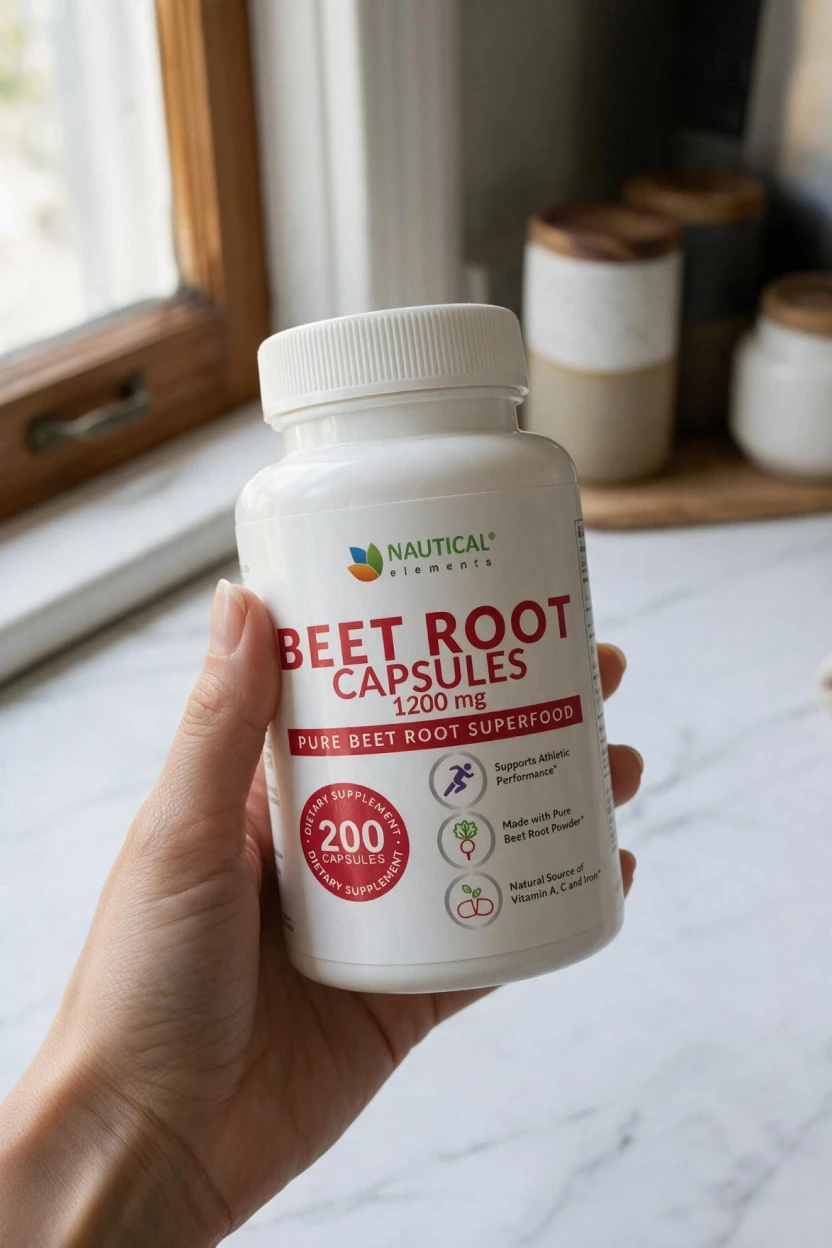
4. Beet Root Capsules
by Nautical Elements
Pros
- 1200 mg beet root per serving
- Single ingredient, amount stated
- Made in the USA under GMP
- Non-GMO and gluten free
Cons
- Beetroot only, no other reds
- No prebiotic or probiotic
- No third-party testing stated
- Vitamin and mineral claims are negligible
- Health claims outrun the formula
Bottom Line
Another straight beetroot capsule with 1200 mg per serving in a bottle that lasts a long time. The amount is disclosed and the formula is simple, which counts for something. But the listing does a lot of talking. It advertises vitamins A and C, plus fiber, iron and essential minerals, and at 1200 mg of beet powder those amounts are so small they are nutritionally meaningless.
It also stacks claims about blood pressure, athletic performance, digestion and immunity onto a single-ingredient product, which is more than the formula can carry. GMP manufacturing is mentioned, but independent third-party testing is not.
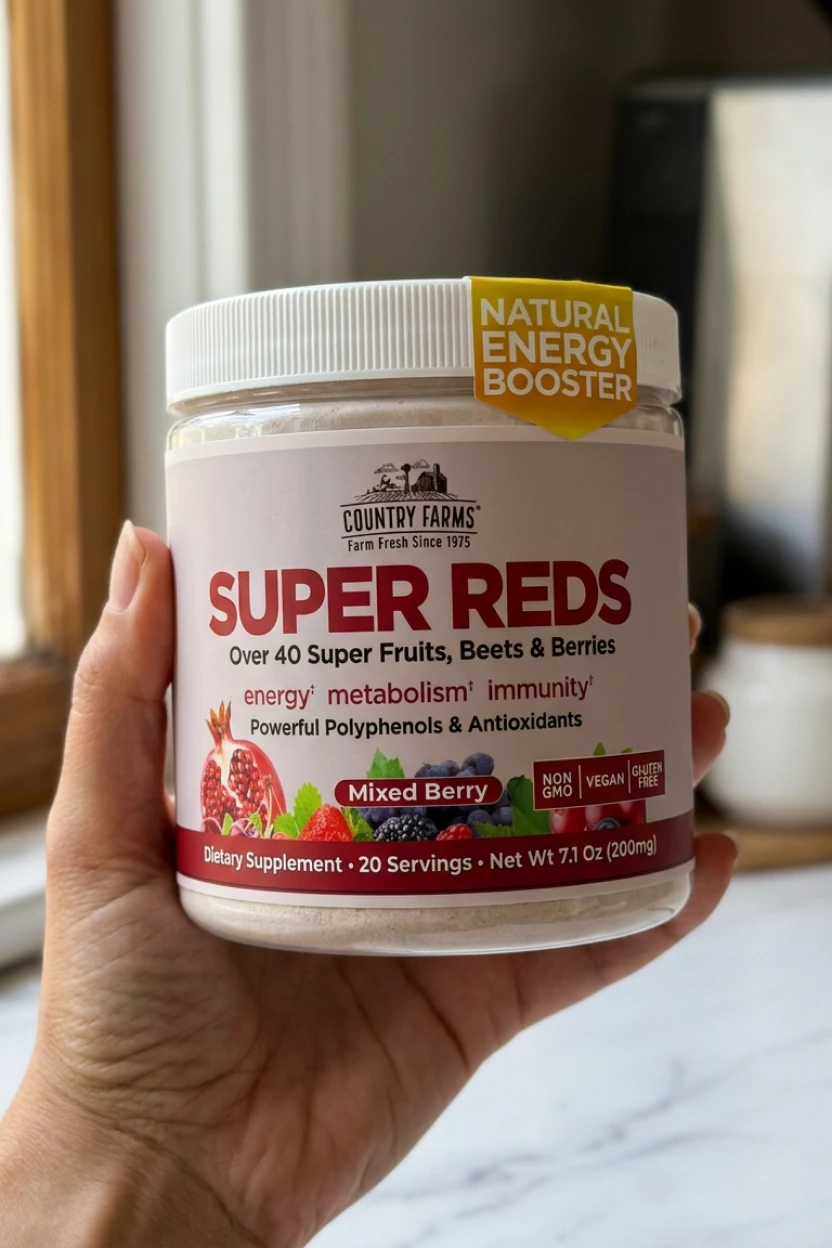
5. Super Reds
by Country Farms
Pros
- Wide range of fruits and berries
- Non-GMO, gluten free and vegan
- Mixes easily, mild berry flavor
Cons
- One proprietary blend, 5.36 g total
- Zero individual amounts disclosed
- Beetroot buried with no quantity
- Maltodextrin, guar gum, silicon dioxide
- No probiotics
- Only 20 servings per container
- Ingredient count varies by page
Bottom Line
This is the clearest example of the trap this whole article is about. The label advertises 48 superfoods and berries, which on paper sounds like the most complete product here. Open the panel and all 48 sit inside a single proprietary blend totaling 5.36 grams. Spread across 48 items, that averages roughly a tenth of a gram each, and you have no way to know which ones got real weight and which ones got a sprinkle.
Beetroot, the reason most people buy a reds powder at all, is listed with no number attached. The "other ingredients" line then adds maltodextrin, citric acid, guar gum, natural flavors and silicon dioxide. There are no probiotics, and each container only holds 20 servings. Big ingredient count, almost no information.
🏆 2026's Best Beetroot Supplement
Daily Reds Energy Blend by Earth Energy Supplements
- 975 mg beetroot, solid dose
- Every ingredient has its amount on the label
- Backed by 20+ polyphenol-rich plants
- Prebiotic inulin plus 1.2 billion CFU probiotics
- Third-party tested every batch, COAs published